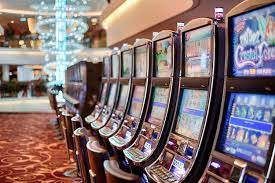
Screens deliver constant information. Numbers update. Histories appear. Indicators shift. The volume of data can create the impression that careful watching improves the next decision. Most of the useful information is simpler than the display suggests.
The skill is knowing which signals actually matter and which ones only create the feeling of control.
Slot Toto screens often present multiple layers of data at once. The layers are not equally useful. Learning to separate them keeps attention from being pulled in every direction.
What Is Worth Watching Closely
A small number of elements carry most of the practical value. These elements help the player stay oriented without requiring constant interpretation.
Useful signals usually include:
- The current selection or spin status
- The clear result once it settles
- The running total or remaining limit the player has set
- The time or number of draws already completed
- Any personal note or marker the player has placed
These items support real decisions. Everything else is secondary.

What Creates the Feeling of Control Without Adding Value
Many on-screen elements look important yet change nothing about the next choice. Extended histories, rapid animations, and secondary indicators can absorb attention while leaving the core decision untouched.
Common low-value signals:
- Long sequences of previous results presented in detail
- Flashing or moving elements that do not affect the current selection
- Secondary statistics that update faster than they can be used
- Visual patterns that invite interpretation beyond simple recording
- Information that repeats what the player already knows
Spending time on these elements rarely improves the quality of the next selection.
FAQ
Does watching more data improve results over time?
Not in any reliable way. Additional data can increase familiarity with the screen, yet it does not change the underlying independence of each result.
Why does the screen feel important even when most of it is secondary?
The continuous movement and updating create a sense of activity. That sense can be mistaken for useful information.
Is it better to ignore the screen entirely between selections?
Complete ignoring is unnecessary. A brief, focused check of the few useful signals is usually enough.
How can a player tell when attention has moved past the useful point?
When the time spent reading the screen exceeds the time spent making the actual selection, attention has likely drifted into low-value detail.
In the middle of a session the volume of on-screen information can still pull focus. A player may find several minutes have passed in observation rather than decision. Slot Toto displays continue to update regardless of how closely they are watched. The quality of the session depends on whether the player stays with the few signals that actually support the next choice.